About
Every role. Every level. Forty years of building software.
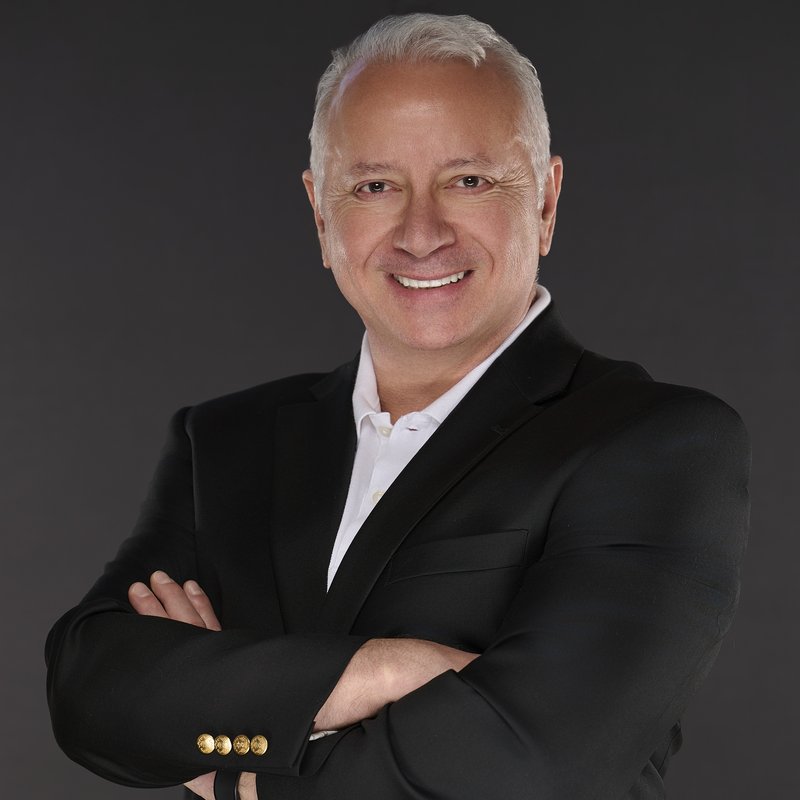
I'm Gene Allen. Over forty years, I've held every job in software development: individual contributor, architect, development manager, Director of Engineering, founder, CTO. When you bring me a project, you're not getting a developer OR an executive—you're getting someone who has been every person on the org chart and knows which ones your project actually needs.
McAfee / Network Associates
I started at McAfee when it was still Network Associates. Promoted from Architect to Development Manager to Director of Engineering. Not a straight-line career path—proof that I could do the technical work and lead the people doing it.
The signature accomplishment: reviving the Zero Administration Client suite to $24 million gross revenue in 1998. I inherited a struggling product and a bloated team. Reduced headcount from 25 to 6, focused the scope, and delivered on time. That's the pattern that's repeated throughout my career: do more with less, ship on schedule.
Mission Critical Software / NetIQ
At Mission Critical Software (later NetIQ), I built and ran a 30-person rapid-development team. Development, QA, and documentation under one roof—15 products, my responsibility.
I led the complete redesign of Operations Manager, the enterprise systems-monitoring product that Microsoft later acquired for $275 million. It became Microsoft Operations Manager, then System Center. That product is still running in data centers today.
I also built an entire SQL Server line of business through technology purchases, OEM deals, and new development. Evaluated the acquisitions, negotiated the deals, integrated the technology, led the teams. That product line was later sold to Idera.
DacEasy
Director of Windows Development. Led the 16-bit to 32-bit transition—one of those platform shifts that separates companies that survive from companies that don't. Trained a staff of 10 and shipped the product.
The Management Track Record
Across these roles, I managed multi-million dollar development budgets. Hired, developed, and managed engineers and engineering managers. Made the build-vs-buy decisions. Evaluated technical acquisitions. Built teams from scratch and restructured failing ones. The fractional CTO work I do now isn't theoretical—I've actually done the job.
ByStorm Software (Founder, 2003–Present)
In 2003, I founded ByStorm Software. The flagship is FileSure—a patented, kernel-level Windows file security and data loss prevention platform. It's trusted by over 200 organizations in banking, healthcare, government, and critical infrastructure. Six continents. Twenty-plus years. Still shipping, still supported.
Circle Security (CTO, 2021–Present)
Currently serving as CTO at Circle Security, designing and building AI-driven security systems using agentic architecture. In 2025, I was issued U.S. Patent No. 12,231,564 for "Credential-Free Authentication Systems and Methods"—a decentralized cryptographic architecture I invented and built. The technology that will define the next decade of enterprise security.
Still Shipping
This year, I designed and launched date-night.ai—an AI-powered relationship and date planning platform. ASP.NET Core, Blazor, Azure Cosmos DB, multi-source ETL pipelines, OpenAI integration. Another AI product launches later this year. After forty years, I'm still writing code and shipping products.
Why Acumen Studios
The market has plenty of developers who can code but have never managed a team or a budget. It has plenty of executives who've managed teams but haven't written production code in years. It has very few people who have done both—at scale, for decades—and can still ship code today.
When you work with me, you get direct access to someone who understands the work because I've done it. Every role. Every level. That means I can tell you what your project actually needs—and then I can build it.
My Philosophy
Most software projects fail not because the code was bad, but because the architecture was wrong—or the team was wrong—or the scope was wrong. I've spent forty years learning how to get those decisions right. From the individual contributor seat to the CTO's chair. That's what you're buying.